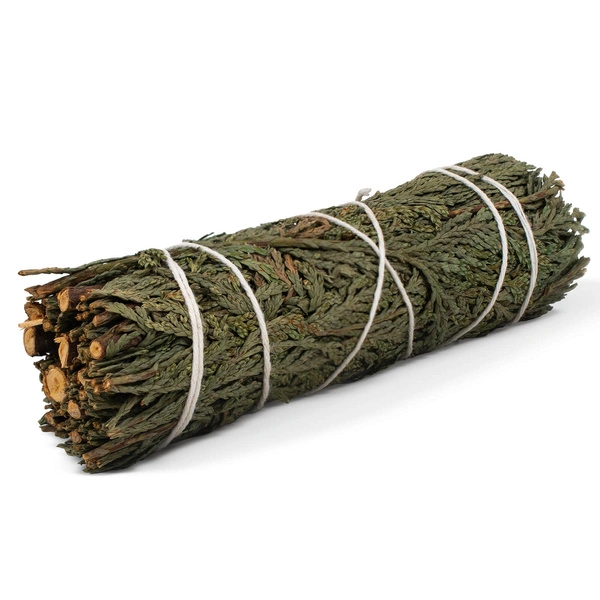
Natural herbal incense: juniper, cedar, lavender, Yerba Santa and other plants for energy cleansing
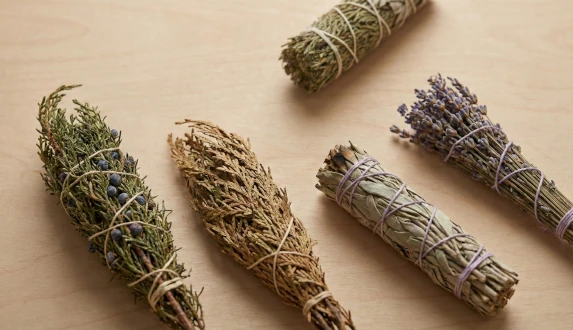
White sage is not the only plant capable of cleansing a space, soothing the senses and bringing harmony. The world of natural herbal incense is far richer – scented with forest air, Mediterranean gardens and untamed nature. Juniper, cedar, lavender, Yerba Santa, as well as black and blue sage, have accompanied people for centuries in rituals, meditation practices and everyday care for energetic balance.
More and more people are now choosing natural incense made from dried, hand‑tied herbs – not only to cleanse energy, but also out of a desire to live closer to nature. No artificial additives, no chemical fragrances, just the authentic scent of plants and the traditions behind them. In this article, we take a closer look at herbal incense other than white sage, their properties and how to use their power consciously.
Summary:
- What is natural incense?
- Most popular herbal incense
- How to choose herbal incense?
- How to burn natural incense properly?
- Which herbal incense should you start with?
What is natural incense?
Natural herbal incense is made exclusively from plants – their leaves, needles, bark or stems – without synthetic fragrances, binders or combustion enhancers. Most commonly, it takes the form of dried, hand‑tied herbal bundles that gently smoulder when lit, releasing their distinctive aroma.
Unlike synthetic incense, the scent of herbal incense is not flat or heavily perfumed. It is alive, evolving and deep – exactly as nature intended. This is why it is so often chosen as incense for meditation and incense for energy cleansing in homes, workplaces and spiritual practice spaces.
If you would like to explore the full range, you can find it in the “Incense” category – alongside palo santo, stick incense, rope incense and more.
It is worth remembering that burning herbs as incense is not a modern trend. It is a practice known for thousands of years across different cultures – from folk rituals and spiritual traditions to aromatherapy. If you would like to learn more about choosing the right scent for your needs, we also recommend the blog article: Discover the power of incense: how to choose the perfect incense for meditation and relaxation?
💡 Worth knowing: Natural herbal incense burns more slowly and unevenly than synthetic incense – and this is its advantage. The aroma gradually fills the space instead of overwhelming it.
Using natural incense for meditation
Scent has a powerful influence on the mind. Carefully chosen incense for meditation helps calm racing thoughts, deepen breathing and enter a state of focus more easily. Natural herbs work subtly yet consistently, creating an aromatic background that supports mindfulness.
- 🌿 Lavender – as lavender incense, it is ideal for evening practice; a classic lavender incense stick soothes emotions and encourages relaxation.
- 🌿 Cedar – cedar incense grounds the energy and creates a sense of safety, making it a popular choice for stabilising meditation.
- 🌿 Yerba Santa – valued for energetically “opening the space” and supporting work with intention.
- 🌿 Juniper – juniper incense made from its branches clears the mind and supports concentration, especially during short breathing practices.
For many people, scent becomes a signal to the body and mind: “this is time for me”. Regularly using the same incense for meditation builds an aromatic anchor that makes it easier to enter the desired state even on busy days.
Incense for energy cleansing at home and work
Burning herbs to cleanse a space is a practice present in many spiritual traditions. Incense for energy cleansing is used when a room feels heavy, after difficult emotions, intense meetings, or simply when you want to “reset” the energy of a place.
It is believed that the smoke rising from burning herbs helps disperse stagnant energy and restore natural flow. In practice, this often results not only in a change of atmosphere, but also in a genuine feeling of freshness and lightness.
- 🌿 Juniper incense – intense and resinous, perfect for quick and effective space cleansing.
- 🌿 Cedar incense – frequently chosen for long‑term energetic protection of the home.
- 🌿 Black and blue sage – alternatives to white sage, gentler in aroma yet still highly effective.
- 🌿 Lavender incense stick – ideal for workspaces where harmony matters more than an intense scent.
📌 In short
Natural herbal incense offers a simple yet profound way to work with the energy of a space. By choosing a specific herb, you can consciously influence the atmosphere – from cleansing and calming to strengthening intention.
This is just the beginning of the journey into the world of herbal incense – in the next section, we take a closer look at specific plants and their unique properties.
Most popular herbal incense
Although white sage is the most recognisable herbal incense, it is far from the only option. Nature offers many plants that work beautifully as herbal incense – each bringing its own aroma, energy and symbolism into a space.
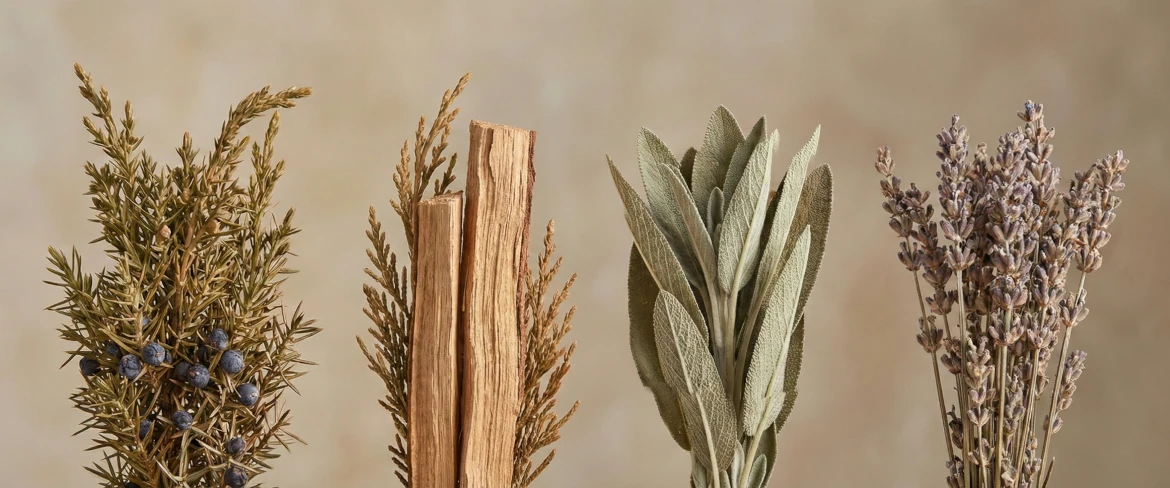
Below you will find an overview of the most commonly used herbs for making natural incense. These plants have been used for centuries in cleansing rituals, spiritual practices and aromatherapy, and today they return in their purest, natural form.
Juniper incense – properties and effects
Juniper incense is characterised by an intense, resinous and slightly forest‑like aroma that instantly evokes wild nature. Traditionally, juniper has been regarded as a plant with strong cleansing and protective properties – both energetically and symbolically.
Juniper incense is often chosen for “reset” rituals – after difficult conversations, during mental fatigue, or at the beginning of a new chapter. Its scent also supports focus, making it suitable for intention‑setting or short meditation sessions.
Cedar incense – energetic protection
Cedar incense is one of the most grounding scents among herbal incense. Its warm, woody and enveloping aroma is associated with safety, stability and energetic protection.
Cedar incense is often used in practices aimed at strengthening energetic boundaries of a home or an individual. It also works beautifully during grounding meditation, body‑based practices and moments when you need to feel firmly rooted.
Lavender incense – relaxation and aromatherapy
Lavender has long been recognised as one of the most relaxing herbs. Its gentle, herbal‑floral aroma helps calm the nervous system, release tension and prepare both body and mind for rest.
Lavender incense (or lavender combined with other herbs) is ideal for evening rituals, before sleep and in aromatherapy focused on stress reduction. It is an excellent choice for those sensitive to strong fragrances.
In our shop, you can find a combination of lavender and white sage: white sage with lavender – natural incense.
Yerba Santa – a sweet herb of power and cleansing
Yerba Santa is a unique herb with a warm, sweet and slightly balsamic aroma. Traditionally, it is associated with working through emotions, inner healing and strengthening positive energy.
As herbal incense, Yerba Santa is often used in rituals focused on intention, emotional balance and uplifting the spirit. Its fragrance is noticeably gentler than white sage, making it especially suitable for regular use and for those who prefer softer scents.
Black and blue sage as alternatives to white sage
Black and blue sage are excellent alternatives for people who are looking for a milder effect than that offered by white sage. Their aroma is more herbal and less sharp, while their energetic action remains effective yet more subtle.
These varieties of sage are particularly recommended for everyday incense for energy cleansing, gentle intention work and practices that require sensitivity and mindfulness rather than intense energetic clearing.
Available in our shop:
black sage – natural incense and
blue sage – natural incense
Rosemary – natural incense for mental clarity
Rosemary is an herb traditionally associated with mental clarity, memory and cognitive stimulation. Its fresh, slightly camphor‑like aroma makes rosemary as natural incense an excellent choice during moments of fatigue, lack of focus or creative stagnation.
Historically, rosemary has also been used for cleansing spaces and strengthening protective energy within the home. It works particularly well for work, study and morning rituals that support alertness and intention.
How to choose herbal incense?
Choosing herbal incense is more than a simple decision based on scent. It is a conscious choice of the energy you wish to work with – whether for incense for meditation, energy cleansing or everyday moments of calm.
Although intuition plays an important role, there are a few practical criteria worth considering. These will help you select high‑quality natural incense that truly supports your needs.
✨ Key criteria when choosing herbal incense
- ✔️ Quality of the raw material – the purer and less processed the herbs, the more authentic their aroma and energetic effect.
- ✔️ Form of incense – bundles, loose herbs or classic incense differ in intensity and burning style.
- ✔️ Intended purpose – some herbs work better as incense for meditation, others for energy cleansing.
Differences between bundles, loose incense and classic incense
Natural incense comes in several forms, each with its own unique properties and uses. The form you choose affects not only burning time but also fragrance intensity and the overall character of the ritual.
- Herbal bundles – dried, hand‑tied bundles (such as juniper, cedar or Yerba Santa). They burn slowly, produce a deep natural aroma and are ideal for energy cleansing rituals.
- Loose incense – individual herbs or herbal blends. These allow for greater flexibility and the creation of personal scent compositions.
- Classic incense (sticks or cones) – convenient to use, with a more predictable burning time, though often less raw and earthy than bundles.
If you are seeking an experience close to nature and direct work with plant energy, herbal bundles are the best choice. For everyday relaxation or short meditation sessions, gentler forms may also work beautifully.
What should you look for when buying incense for meditation and energy cleansing?
Not every incense described as “natural” truly is. When choosing incense, it is worth paying attention to a few key aspects that have a real impact on the quality of the aroma and the energetic effect of the product:
- ✅ purity of the ingredients – high‑quality herbal incense contains no artificial fragrances, colourants or chemical additives,
- ✅ ethical sourcing of plants – herbs harvested in a sustainable way retain their natural energy and are more environmentally friendly,
- ✅ purpose‑driven selection – for meditation, choose gentle scents (such as lavender or cedar incense), while for energy cleansing opt for more distinctive aromas (juniper or sage).
It is also important to listen to your own response to a scent. If a particular incense evokes a sense of calm, lightness or mental clarity, it is a sign that it resonates well with your needs.
“The strongest scent is not always the most effective. Sometimes it is the subtlest one that makes the greatest difference.”
How to burn natural incense properly?
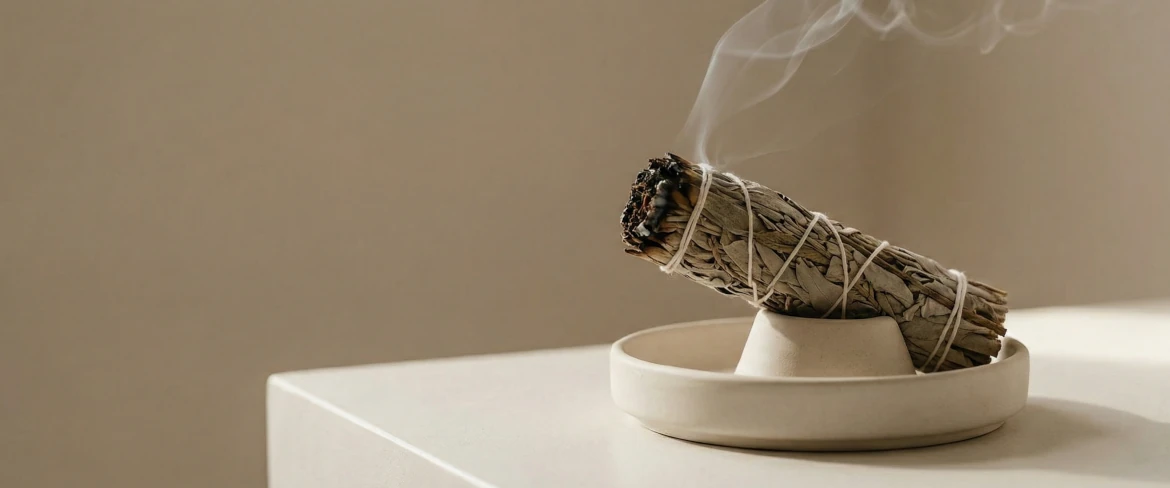
Burning natural herbal incense is a simple ritual, yet it is worth following a few basic principles to make it both safe and effective. The most important rule is a calm pace – the herbs should not burn with an open flame, but gently smoulder.
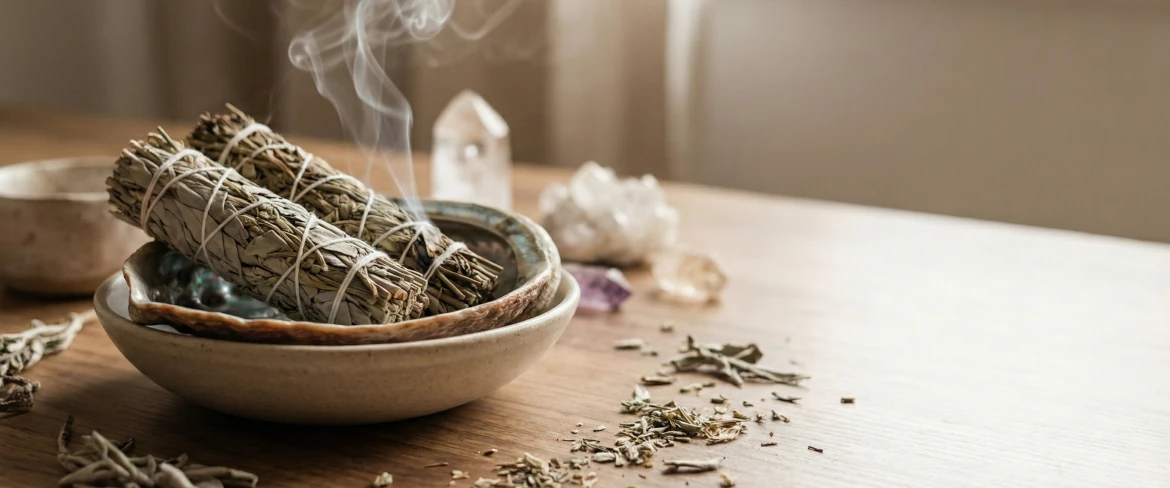
Simply light the tip of the bundle and then gently blow out the flame, allowing aromatic smoke to rise. The incense should be placed in a fire‑resistant holder – such as an abalone shell, ceramic dish or a dedicated incense burner. This is not only a matter of aesthetics, but above all of safety.
It is also important to ensure proper ventilation. Natural incense has a deep, herbal aroma, so slightly opening a window or airing the room after the ritual helps refresh the space and prevents the scent from becoming overwhelming.
Mindfulness is key when working with incense. Just a few minutes of conscious burning is more than enough to fully benefit from its properties – without rush, excess or distraction, in harmony with the rhythm of nature.
📌 In short
- ✔️ Light the incense and let it smoulder gently – without an open flame.
- ✔️ Always use fire‑resistant accessories (incense holder, dish, shell).
- ✔️ Ensure fresh air and ventilation in the room.
- ✔️ Remember: a few minutes of mindful burning is usually enough.
Which herbal incense should you start with?
If you are just beginning your journey with natural herbal incense, it is best to choose plants with a gentle aroma and versatile effects. Such incense is easy to use, non‑overwhelming and suitable for many situations – from meditation to everyday energy cleansing.
For beginners, we particularly recommend:
- 🌿 Lavender – gentle, relaxing and very approachable; ideal for evening calm and first rituals.
- 🌿 Rosemary – fresh and clear in scent, supporting focus and mental alertness during the day.
- 🌿 Cedar – grounding and protective, yet warm and subtle; a reliable all‑purpose choice.
These herbs make it easy to become familiar with smoke, aroma and plant energy at a comfortable pace. Over time, as you observe your reactions, you may naturally feel drawn to more intense scents and deeper intention‑based practices.
Natural incense does not require experience or complex rituals. A moment of mindfulness, openness to scent and willingness to slow down is enough – the rest follows naturally.
Let the scent of herbs become your everyday ritual of mindfulness and harmony.
FAQ – frequently asked questions about herbal incense
1. How long does natural herbal incense burn?
The burning time of natural herbal incense depends on the type of herb, the size of the bundle and how intensely it smoulders. A single burning session usually lasts from a few to several minutes; however, for meditation or energy cleansing rituals, just 2–5 minutes of mindful burning is often sufficient.
It is worth remembering that herbal incense is rarely burned all at once – one bundle can be lit multiple times and used over a longer period, depending on your needs.
2. Can different herbs be mixed when burning incense?
Yes, mixing herbs is not only possible but also commonly practised. For example, you can combine lavender with cedar for relaxation and grounding, or rosemary with juniper for clarity and cleansing. It is best to start with simple combinations and observe how you respond to each scent.
3. How should natural herbal incense be stored?
Natural incense should be stored in a dry, airy and shaded place. Linen pouches, paper packaging or wooden boxes work particularly well. Avoid moisture and airtight plastic containers, as they may negatively affect the aroma and quality of the herbs.
4. Is natural incense safe for health?
Natural herbal incense, when used in moderation and with proper ventilation, is considered gentler than synthetic incense. It contains no artificial fragrances or chemical additives. People sensitive to smoke or scent should burn it for shorter periods and always ensure good airflow. Burning incense is not recommended around small children or animals.
5. Which incense works best for energy cleansing?
For cleansing spaces, incense such as juniper, cedar, black sage or blue sage is most commonly used. These herbs are traditionally regarded as particularly effective for clearing stagnant energy and refreshing the atmosphere of a home.
Recommended
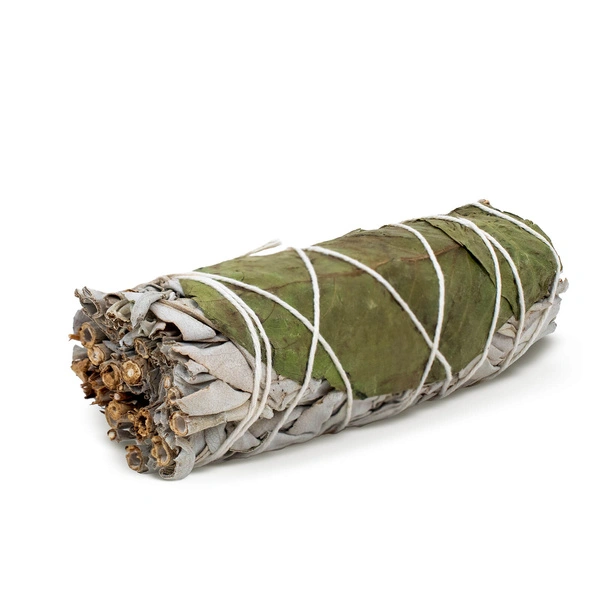
White Sage with Basil – Incense 20-30g (bundle)
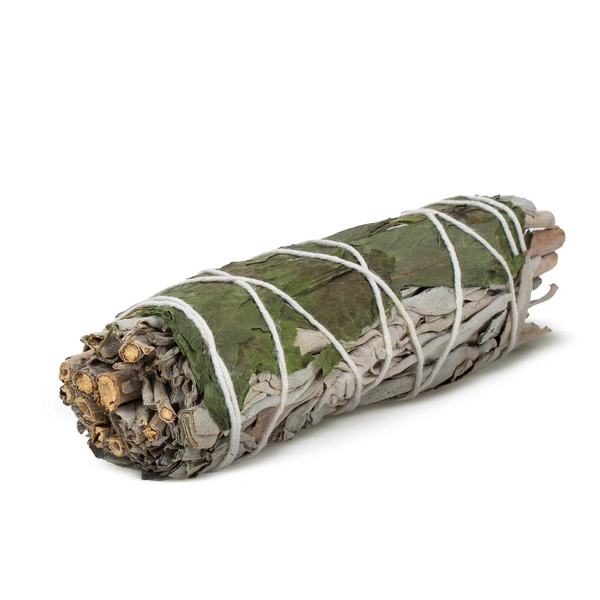
White Sage with Spearmint – Incense 20-30g (bundle)
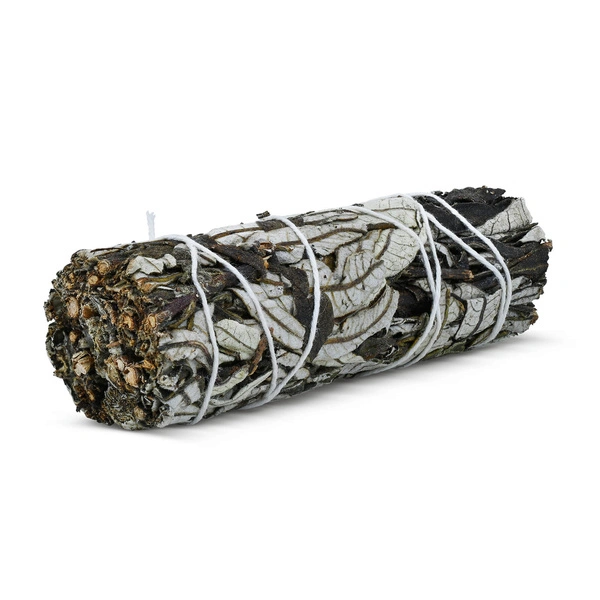
Yerba Santa – Incense 20-30g (bundle)