Citrine – the stone of abundance, joy and positive energy

Golden radiance, remarkable energy and warmth reminiscent of the summer sun – citrine is a mineral that has attracted attention and inspired fascination for centuries. In the world of esotericism and crystal healing, citrine is widely associated with abundance, joy and unwavering optimism. It is said to brighten even the most difficult days, transforming darkness into light and encouraging the motivation to take action.
This article is a comprehensive guide to citrine. You will learn about citrine properties, explore its rich symbolism and discover how to use this remarkable mineral in everyday spiritual and meditation practices. We will look at the crystal itself – including its origins and appearance – as well as its traditional magical uses, which may inspire a new perspective on personal potential. Welcome to a sunlit world filled with positive energy.
Contents:
- Citrine as a stone of abundance and positive energy
- What is citrine? Essential information about the stone
- Citrine – properties traditionally associated with the stone
- Citrine – magical properties and symbolism
- How to work with citrine energy every day
- Natural citrine and heat-treated citrine – what is the difference?
- Raw or polished citrine – which should you choose?
- How to care for a citrine stone
- Which stones pair well with citrine?
Citrine as a stone of abundance and positive energy
Why has the citrine stone become so popular as a personal talisman of prosperity and positive thinking? The answer lies in its sunny character and in the vibrations which, according to esoteric beliefs, strongly resonate with the energy of success in life. Holding a piece of raw citrine can create an almost physical impression of holding crystallised light. In crystal healing traditions, this remarkable crystal is believed to transform inner blocks into faith in personal abilities, opening the mind to new and inspiring opportunities for growth.
If you are considering introducing natural minerals into your surroundings, it is worth exploring the extensive category of stones and crystals. Among this remarkable variety of gifts from the Earth, golden citrine holds a particularly special place, carrying a beautiful promise of harmony, purposeful action and vitality.
Where did citrine symbolism come from?
History and folklore from many parts of the world have connected this captivating mineral with the sun, life-giving light and warmth for centuries. Ancient civilisations held it in high regard, believing that it could gather the power of the sun’s rays within itself and, in doing so, dispel even life’s deepest darkness. In older traditions involving protective amulets, people believed that this luminous stone drew its symbolic strength from its resemblance to the sun – it was thought to stimulate energy, inspire a sense of inner security and offer protection from unfavourable influences. This trust in its warm, almost nurturing aura is one reason why citrine remains a popular mineral for meditation.
💡 Interesting fact: As early as ancient Greece and Rome, yellow minerals were often used to create intricate intaglios – recessed carvings in stone that were frequently set into rings and used as personal seals or talismans associated with good fortune.
The golden colour of citrine and its meaning
In esotericism and spirituality, the colour of a crystal is never considered accidental. It is seen as a key to understanding its symbolic role. The yellow and golden tones characteristic of natural citrine are directly associated with vitality, earthly abundance and the kindling of an inner fire. In colour psychology, yellow is seen as an energising colour that stimulates the intellect and encourages a cheerful, active state of mind. From a spiritual perspective, esoteric traditions associate citrine with the Solar Plexus Chakra (Manipura) – the area linked with willpower, self-confidence and a sense of personal agency. This is why the citrine stone properties associated with magic are so often connected with creation and success. Its golden radiance serves as a constant reminder of the abundance found both in nature and within human potential.
Why is citrine known as the stone of abundance?
One of the questions that often arises when beginning to work with the energies of the Earth is why citrine is believed to have such powerful abundance-attracting properties. According to widely held esoteric beliefs, this crystal encourages the creation of an energetic environment in which new and sometimes highly rewarding opportunities can appear. Traditionally known as the “merchant’s stone”, it has symbolically been associated with success in business, professional development and the wise management of prosperity.
It is important to emphasise that this is a symbolic meaning rooted in ancient belief systems. A golden crystal placed at the back of a drawer will not generate profit by itself – but it can become a beautiful, tangible reminder of a chosen intention. Working with it regularly may help keep the mind focused on financial and personal goals. It can encourage a proactive approach to life, support the courage to move beyond familiar boundaries and nurture gratitude for what has already been achieved.
“Citrine does not bring wealth from outside – it awakens the inner sun that helps us recognise the gold in every opportunity.”
This is why many people choose to include this mineral in their everyday surroundings. It becomes a subtle yet meaningful visual reminder to approach challenges with optimism and remain open to personal aspirations. Such a mindful practice, rooted in a positive outlook, can provide a valuable foundation for building a fulfilling and purposeful life.
📌 In brief:
- ✔️ In esoteric traditions, citrine is strongly associated with the sun, joy and vital energy,
- ✔️ it can serve as a meaningful focus for intentions relating to abundance, career development and financial wellbeing,
- ✔️ mindful work with this mineral may help strengthen self-confidence and nurture faith in personal abilities.
What is citrine? Essential information about the stone
Before exploring the esoteric aspects in greater depth and looking at citrine properties in the context of energy work, it is worth examining this mineral from a strictly scientific perspective. From a mineralogical point of view, citrine is a fascinating stone which stands out from other gifts of the Earth not only because of its remarkable lustre, but also because of the intriguing way it forms. A brief, factual look at its physical nature allows us to appreciate even more fully the beauty shaped by geological processes lasting millions of years.
Mineral profile: Citrine
| Feature | Description |
|---|---|
| Mineral group: |
quartz (silicates) |
| Chemical composition: | silicon dioxide (SiO₂) with traces of iron |
| Hardness (Mohs scale): | 7 (a hard stone with good resistance to scratching) |
| Lustre: | vitreous |
Citrine – a quartz variety with a distinctive colour
From a chemical and structural perspective, this golden gem is a macrocrystalline variety of quartz. This means it is closely related to such well-known members of the mineral world as purple amethyst, transparent rock crystal, mysterious smoky quartz and delicate rose quartz. The radiant colour of this citrine stone is linked to trace amounts of iron held within its crystal structure, as well as changes taking place within the crystal itself. Depending on the concentration of this element, together with the geological conditions and temperature present during crystallisation, the mineral may display a range of shades – from pale, fresh yellow and deep honey tones to a rich orange with brown undertones.
💡 Worth knowing: The etymology of this mineral’s name leaves little doubt about its appearance. It derives from the Latin word citrina and the Old French citrin, both referring to the colour yellow or the shade of a lemon.
What does a citrine stone look like?
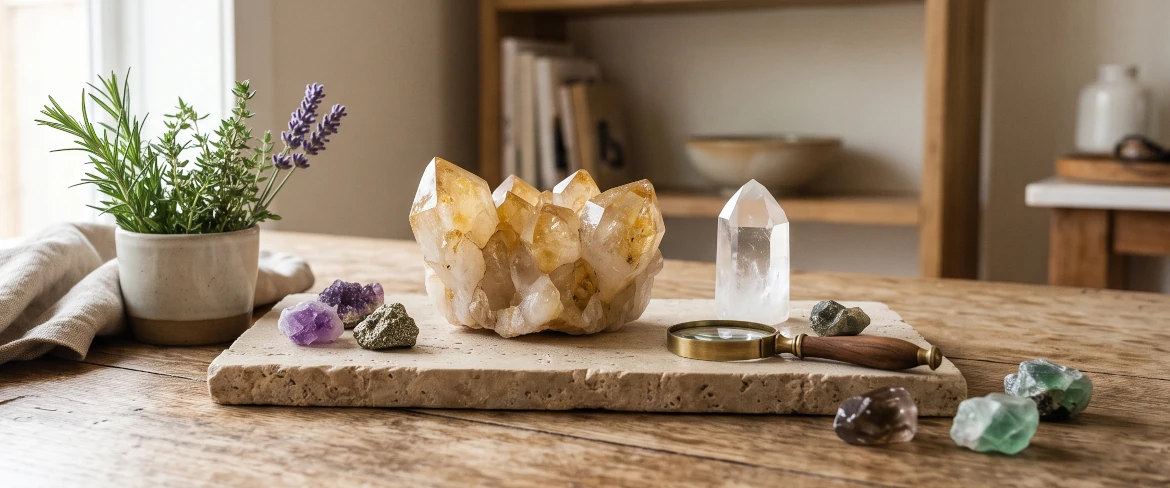
The striking beauty of this mineral makes it difficult to overlook. Formed in natural conditions, raw citrine typically occurs as hexagonal prisms, often ending in sharp, pyramidal points. It has a beautiful vitreous lustre and is generally highly transparent. It is worth remembering that minerals formed by nature are not made on a production line, so genuine specimens are rarely perfectly uniform in colour.
On the contrary, their interiors often conceal a lively microscopic world. When viewed in the light, their structure may reveal subtle colour transitions, natural fractures that reflect the light like tiny rainbows, small inclusions and hazy areas sometimes described as “clouds”. These small irregularities and inclusions are not flaws. They are unique geological marks, evidence of the mineral’s natural formation, adding to its organic charm and individuality.
Where is natural citrine found?
Although quartz itself is one of the most common minerals in the Earth’s crust, authentic, untreated natural citrine is relatively rare. Notable deposits of this sun-coloured crystal are found in Brazil, particularly in the state of Minas Gerais, which is known for producing fine gem-quality specimens. Citrine is also mined in Madagascar, Spain, Russia, Myanmar and certain regions of the United States.
Due to strong market demand and the scarcity of naturally yellow quartz crystals, amethyst – and sometimes smoky quartz – has long been heated to very high temperatures. This process changes the amethyst’s purple colour into an intense orange-golden shade. The resulting stone retains the structure of quartz and can be visually striking, but it differs from citrine whose colour developed naturally deep beneath the Earth’s surface. The differences between these varieties, and their significance in energy work, will be discussed later in the article.
Citrine – properties traditionally associated with the stone
The world of minerals can be explored in two ways – through the lens of science or through the subtle perspective of spiritual vibrations. Before looking at citrine properties in the context of energy work, it is important to draw a clear distinction. Modern science does not confirm the healing properties of minerals, and crystal healing should never replace professional medical advice or conventional treatment. Natural stones belong to a different sphere – one of symbolism, psychological support, meditation and working with the subconscious. Treated as beautiful personal talismans, they can help focus thoughts and strengthen intentions, becoming a catalyst for positive changes in life.
What are citrine’s properties according to esoteric traditions?
In the broad world of esotericism, citrine is often regarded as a true energetic powerhouse. For centuries, this golden stone has been seen as a source of pure optimism, abundant energy, awakened creativity and a magnetic pull towards prosperity. It is no surprise that citrine so often features in round-ups such as Top 10 Energy Stones and Their Properties on our blog. Many people looking for guidance on choosing a crystal that resonates with their current needs are naturally drawn to citrine. According to tradition, its vibrations work like sunshine after a long winter – dispersing inner chill and bringing light, warmth and an irresistible desire to take action.
Citrine as a stone of joy and optimism
Why is this mineral often known in crystal healing traditions as the “stone of joy”? The answer lies in its bright, warm aura. Its golden colour is instinctively associated with summer sunshine, smiles and carefree moments. Spiritual traditions hold that citrine can transform heavy, negative vibrations into clear, uplifting energy. Unlike stones such as black tourmaline, which is traditionally believed to absorb negativity, citrine is said to disperse and neutralise it. This makes it a wonderful mineral for everyday work on personal outlook. Held during morning affirmations or a meditation session, it can symbolically help set the mind towards looking for positives in every situation and moving away from habitual pessimism.

✨ An affirmation with citrine
Working with the energy of this stone pairs beautifully with positive affirmations. During meditation with citrine, you may wish to repeat phrases such as:
- ✔️ “I welcome each new day with joy and openness.”
- ✔️ “My life is filled with light and endless possibilities.”
- ✔️ “I transform challenges into meaningful successes with ease.”
Citrine, self-confidence and the motivation to take action
Another important quality traditionally associated with this crystal is its stimulating influence on willpower and courage. As esoteric traditions strongly connect it with the Solar Plexus Chakra, citrine is often regarded as a valuable symbolic support for those experiencing fear of judgement, indecision or a lack of confidence in their own abilities. Its energy is believed to provide a much-needed “wind in the sails”. This is why it is so often chosen as a talisman for those facing important challenges: starting a new career path, setting up a business, preparing for demanding exams or embarking on a major new chapter in life. It serves as a reminder that inner strength can help overcome external obstacles.
Citrine stone properties associated with creativity
Optimism and courage naturally create space for uninhibited imagination. The citrine stone properties associated with creativity can be especially meaningful for anyone working intellectually or artistically. Citrine is traditionally regarded as a mineral that stimulates the intellect, encourages thinking beyond familiar patterns and helps overcome so-called “creative blocks”. Writers, painters and musicians, as well as analysts and marketing professionals, often choose to keep raw pieces of citrine on their desks. According to esoteric beliefs, the presence of this golden quartz in a workspace encourages a free flow of inspiration and supports the creation of innovative, unconventional ideas.
📌 Summary of citrine’s esoteric properties
When working with energies, citrine is a stone with an exceptionally broad symbolic spectrum. Crystal healing traditions and mystical beliefs associate it above all with:
- ✔️ joy and optimism: helping to ease fears and notice the positives;
- ✔️ self-confidence: symbolically balancing the Solar Plexus Chakra and encouraging courage;
- ✔️ creativity: stimulating the intellect and supporting the search for new solutions;
- ✔️ motivation: helping to turn dreams and visions into meaningful action.
Citrine – magical properties and symbolism
When exploring the mysteries of crystal healing, it is impossible to overlook its spiritual and ritual dimensions. It is important, however, to remember that the magical properties associated with citrine are rooted in ancient beliefs, symbolism and esoteric practices rather than measurable scientific evidence. In natural magic, crystals are regarded as powerful catalysts for intention – tools that can help focus thoughts and energy on a specific, clearly defined goal.
Esoteric mineral profile: citrine
| Esoteric aspect | Association / symbolism |
|---|---|
| Chakra: |
Solar Plexus (Manipura) and Sacral (Svadhisthana) |
| Element: | Fire and Air |
| Zodiac signs: | Gemini, Leo, Libra and Aries |
| Ruling planets: | The Sun and Jupiter |
| Numerological vibration: | Number 6 (harmony, creativity and abundance) |
The associations in this table come from selected contemporary esoteric traditions and may vary between different systems.
A magnet for prosperity and abundance
In magical practices, the citrine stone plays an important role in rituals focused on attracting prosperity in its broadest sense. This does not refer solely to material wealth. From a spiritual perspective, abundance can also mean a wealth of meaningful experiences, harmonious relationships and favourable coincidences. According to esoteric beliefs, incorporating this mineral into everyday practices creates an aura of magnetism that helps align intentions with the universe’s higher vibrations. This golden citrine crystal is sometimes regarded as a kind of transmitter – sending a clear signal of readiness to welcome positive opportunities and helping give form to what was initially only a dream or a loosely held intention.
Citrine as an energetic shield
Another fascinating aspect is the protective role traditionally attributed to citrine. Unlike stones which are believed to absorb negative energy from their surroundings and therefore require frequent cleansing, citrine is said to work in a different way. Esoteric tradition holds that its sunny light is so powerful that it automatically transforms darkness. It is believed to neutralise toxic vibrations, hostility and envy directed by others. For this reason, citrine is often recommended in energy work for workplaces or environments where conflicts and misunderstandings can easily arise. Keeping it nearby is thought to help maintain a clear, undisturbed aura and a high vibrational frequency, preventing lower, harmful energies from passing through.
✨ The golden rule of intention
Whether the aim is to attract success in business, discover a new professional direction or cultivate inner calm, natural magic places emphasis on clear focus. A mineral is, in itself, a beautiful creation of nature, but it is a clearly expressed, positive intention that acts as the spark for everyday spiritual practice and gives its symbolism personal meaning.
Now that we have explored the rich symbolic potential of this sun-like crystal and the importance of setting a clear intention, a natural question arises – how can this esoteric knowledge be brought into everyday practice? Introducing minerals into your surroundings does not need to be complicated or require years of experience. A few simple approaches can help create a mindful daily connection with their subtle, supportive symbolism. Let us move on to some of the most practical ways of working with this remarkable gift from nature.
How to work with citrine energy every day
Turning esoteric theory into a tangible everyday practice is one of the most rewarding stages of working with crystals. There are many simple, well-established ways to bring this golden energy into your surroundings. From wearing the mineral close to the body and using it to decorate your home, to incorporating it into mindful meditation sessions, each approach creates an opportunity for regular contact with the symbolism of abundance and joy.
Citrine jewellery – keeping the stone close to the body
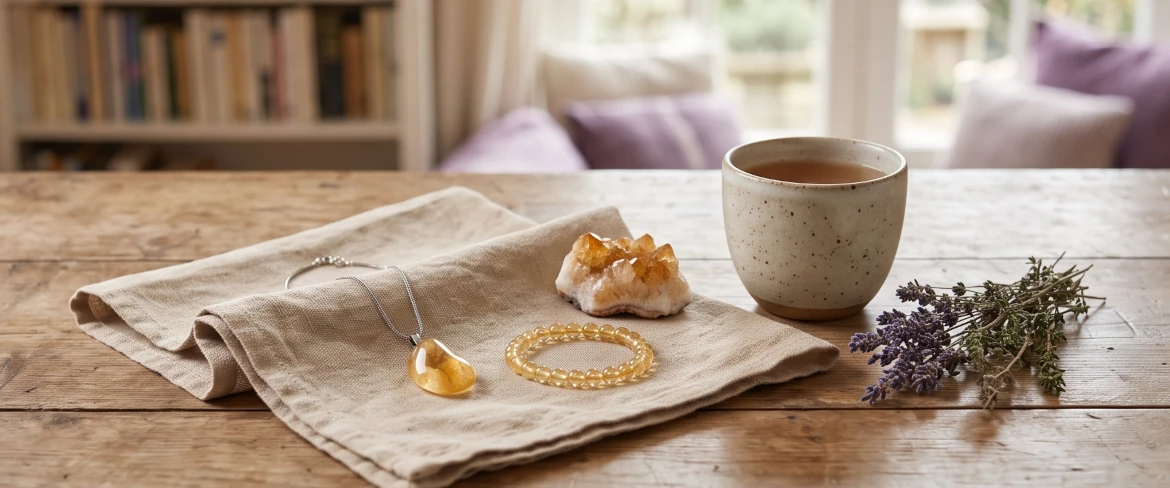
Wearing minerals as jewellery is perhaps one of the oldest and most intuitive ways of working with their energy. Set in a ring, incorporated into a bracelet, suspended close to the heart on a delicate chain or worn as earrings, the citrine stone can become a personal talisman and a constant reminder of a chosen intention. Having a crystal close to the skin can serve as a subtle symbolic connection throughout the day. It also acts as a visual anchor – each glance at the golden gem brings the chosen intention back to mind. To explore the thoughtful selection of crystal jewellery in greater detail, take a look at our blog article: How to wear protective stones so they can support your intentions.
Raw citrine as part of your home environment
While polished gems make elegant additions to an outfit, a mineral in its most natural form can become a truly distinctive feature of a home. A striking piece of raw citrine is not only regarded as a powerful symbolic focus, but also makes a beautiful, organic decoration. Its irregular structure, natural fractures that catch the light and unique inclusions bring a touch of untamed nature into the room. Such a crystal specimen works equally well with modern, minimalist interiors and warm boho-inspired arrangements, adding an eye-catching decorative accent with plenty of character.
Where is the best place to keep a citrine stone?
The position of a mineral in a home or office can influence the way it functions symbolically within the space. Consider choosing places where time is regularly spent, or locations connected with the intentions associated with this sun-inspired crystal.
📍 The best places for citrine
- 💼 Desk and workspace: an ideal place to symbolically encourage creativity, concentration and professional success.
- 🛋️ Living room: when placed in a visible, central spot, the crystal can symbolically bring a joyful atmosphere, ease tension and support harmony at home.
- 🧘 Affirmation corner: placed on a meditation altar, it can help create a calm, light-filled setting for working with the subconscious.

It is worth remembering that each of these areas has its own unique atmosphere and purpose. Placing a crystal somewhere visible can serve as a mindful reminder of the intentions connected with it and help prevent a sense of stagnation. Rather than hiding minerals away in deep drawers, consider giving them a visible place where they can become part of the rhythm of the space. This attentive, intentional approach to arranging interiors has been present in many traditional philosophical systems for centuries.
💡 Worth knowing: In some traditional interpretations of the ancient art of spatial arrangement known as Feng Shui, every home has what is sometimes called an “abundance area”. It is often identified as the far-left corner from the main entrance to a room. This is one of the places where a piece of citrine is traditionally recommended as a symbolic reminder of prosperity and positive intentions.
Citrine during meditation and affirmations
For those wishing to build a deeper, more personal relationship with minerals, a citrine crystal can become a meaningful companion during everyday spiritual practices. During meditation, simply hold it in your hand, close your eyes and imagine its golden colour spreading gently from your palms through the rest of the body, encouraging a sense of inner calm. It can also serve as a visual point of focus during mindfulness exercises – observing its natural structure may help quiet a busy mind. Holding the stone while speaking affirmations aloud can further anchor the chosen intention, giving it a clear form and strengthening a sense of personal potential.
Natural citrine and heat-treated citrine – what is the difference?
When looking for the right crystal to add to a collection, it is easy to notice that specimens available on the market can vary considerably in colour intensity. Why is this? Authentic natural citrine, formed entirely beneath the Earth’s surface, is relatively rare, so the mineral trade has used heat treatment for many decades. Many striking, highly saturated crystals are actually amethyst or smoky quartz that has been exposed to very high temperatures, replicating some of the processes that can occur naturally underground. As a result, their colour changes permanently to a golden or vivid orange shade.
Comparison: natural citrine vs heat-treated citrine
| Feature | Natural citrine | Heat-treated citrine (from amethyst) |
|---|---|---|
| Colour: |
pale, champagne, honey-coloured or subtly olive | intense, saturated orange, amber or occasionally brown-toned |
| Colour pattern: | usually even, with subtle tonal transitions visible in the light | often contrasting, with a darker orange tip and a milky-white base |
| Availability: | less common, with specimens usually commanding higher prices | widely available, very popular and generally more affordable |
It is important to emphasise that, from an esoteric perspective, neither type of stone is automatically “better” or “worse”. Both the mineral formed entirely by nature and the one enhanced through heat treatment are based on the same crystalline quartz structure. In symbolic practices, heat-treated citrine can still represent the warmth of fire and connect with the Solar Plexus Chakra, supporting intentions relating to abundance and creativity. The key when buying is transparency – knowing exactly what type of crystal you are choosing allows for a more conscious relationship with it and a fuller appreciation of its individual journey.
Raw or polished citrine – which should you choose?
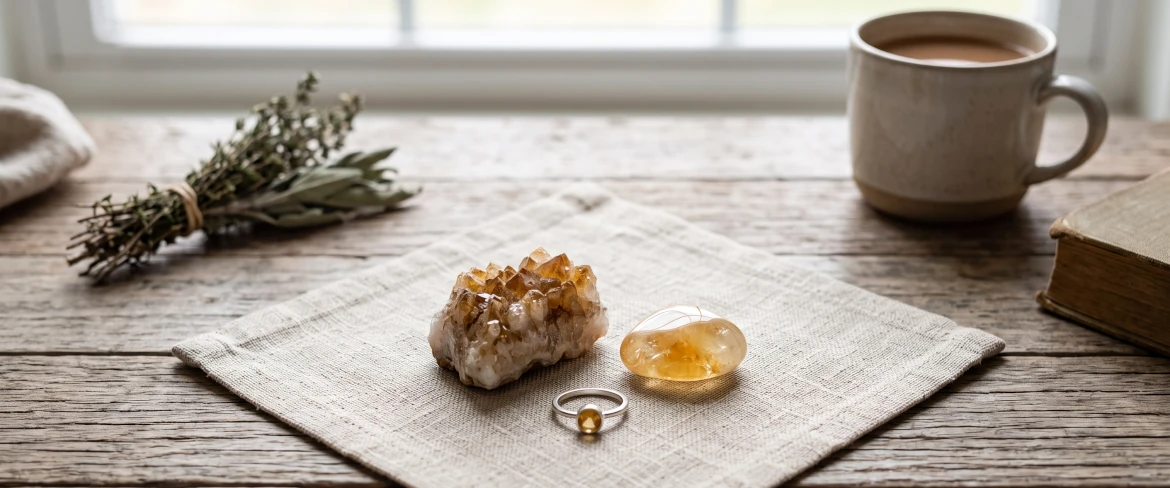
Choosing the right form of a mineral often comes down to personal preference and how you plan to work with it. Raw citrine, retaining its original, irregular structure from deep within the Earth, has a wild and powerful presence. This uncut specimen, full of fascinating fractures, sharp edges and natural inclusions, is ideal as a centrepiece for a home altar, meditation space or desk display. It makes a beautiful, organic accent that not only catches the eye, but also symbolically brings the energy of abundance into its surroundings.
Polished citrine stone, on the other hand, is most commonly found as a smooth tumble stone or intricately faceted gem, offering a different way of connecting with nature. Its perfectly smooth surface and rounded edges make it pleasant to hold, which is why it is such a practical choice for wearing close to the body. This polished form is also more comfortable and kinder to fabrics, as it is less likely to catch on clothing. For this reason, smooth stones are often chosen for jewellery or as discreet personal talismans carried in a pocket, rucksack or bag.
📌 In brief: form and use
- ✔️ Raw form: the best choice for home decoration, building a mineral collection and creating a stationary point of focus during spiritual practices.
- ✔️ Polished form: an excellent companion for everyday use, ideal for carrying in a pocket, setting in jewellery and holding during mindful practices.
How to care for a citrine stone
To preserve the mineral’s golden lustre and symbolic energy for many years, it is worth following a few simple but important care guidelines. Although a citrine stone is relatively hard, it still deserves to be handled with care and respect. Physical cleaning should always be gentle. Remove dirt using lukewarm water and a soft cloth, while avoiding harsh chemicals, detergents and sudden, extreme changes in temperature. The mineral should also be protected from strong knocks, which could cause tiny fractures or damage its internal structure.
Safe storage is another key consideration. When not in use, jewellery or raw specimens are best kept in soft fabric pouches, such as velvet or cotton, or in separate compartments of a jewellery box. This prevents crystals from rubbing against one another and helps protect them from accidental scratches.
Alongside caring for its physical structure, some people also value the idea of spiritual cleansing. Esoteric tradition holds that this sun-like crystal has a unique ability to transform negative vibrations and, theoretically, does not absorb heavy energy. Even so, it may benefit from an occasional moment of rest. Refreshing its symbolic energy can help renew and refocus the intention associated with it. A comprehensive source of information about established ways of working with minerals is our blog article: How to cleanse stones and crystals? A guide for everyone. Exploring these methods can help build a more mindful and lasting relationship with natural stones.
📌 Golden care guidelines
- ✔️ Cleaning: use only lukewarm water and a soft cloth for physical cleaning.
- ✔️ Protection: avoid strong knocks, detergents and prolonged exposure to extreme temperatures.
- ✔️ Storage: keep stones in soft pouches and separate them from harder gems, such as diamonds or sapphires, to help prevent scratches.
A well-cared-for and regularly cleansed citrine crystal can retain its beautiful lustre and continue to serve as a clear symbolic focus. It is also worth remembering that, in natural magic, minerals are rarely thought to work alone – on the contrary, they are often combined to create distinctive energetic pairings. When the sunny character of this golden mineral is consciously combined with the symbolism of other gifts from the Earth, the result can be truly inspiring. Let us explore which crystal companions work especially well with citrine.
Which stones pair well with citrine?
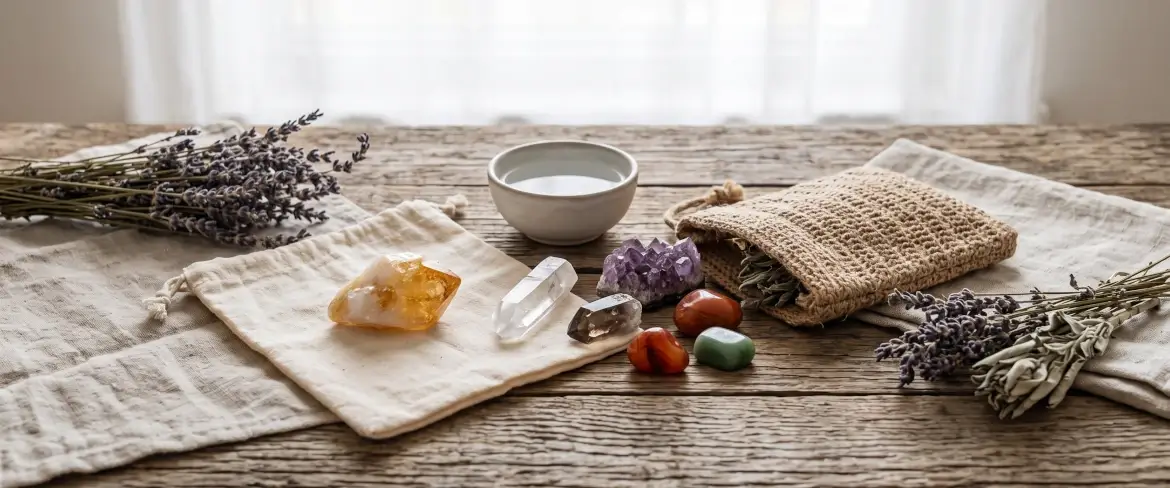
In esoteric practices, it is rare to work with just one mineral. Creating crystal synergies can help focus and strengthen specific intentions. The sunny, highly vital energy associated with citrine pairs beautifully with many other gifts from the Earth, creating combinations that are as visually appealing as they are symbolically powerful. To explore the principles behind these combinations and learn more about choosing complementary energies, take a look at our detailed guide: How to combine natural stones: discover which ones work well together!.
🔮 The best crystal combinations with citrine
The golden citrine stone creates harmonious combinations with the following minerals:
- ✔️ Amethyst: a meeting of fiery energy and calming spiritual symbolism. This combination, found in nature as ametrine, can represent a balance between activity and calm;
- ✔️ Clear quartz: traditionally regarded as a versatile amplifier. It is believed to enhance citrine’s natural symbolism and strengthen its bright, uplifting character;
- ✔️ Smoky quartz: associated with grounding and stability. In symbolic practices, it can help turn high energy and creative ideas into concrete, practical action;
- ✔️ Carnelian: a vibrant symbol of motivation. This fiery pairing is traditionally associated with courage, vitality and the desire to take action;
- ✔️ Jadeite: a widely recognised symbol of good fortune and wellbeing. Together with citrine, it forms a traditional talisman associated with abundance and prosperity.
To conclude this journey through the fascinating world of citrine, it is clear that this mineral can be much more than a beautiful ornament. In esoteric tradition, it is seen as crystallised sunshine – a symbol of joy, self-belief and enduring abundance. Whether worn as everyday jewellery, displayed in a workspace or used as a discreet meditation stone, citrine can serve as a reminder that the greatest power to shape a fulfilling reality already lies within. Embrace its warm symbolism and let it brighten even the cloudiest of days.
Invite the sunny symbolism of citrine into your space and let the beauty of natural minerals support you every step of the way!
FAQ – frequently asked questions about citrine
1. What are citrine’s properties?
In esoteric traditions, citrine is associated with the life-giving energy of the sun. Its symbolic properties are linked with abundance, self-confidence, creativity and optimism. It can serve as a meaningful mineral for everyday work with motivation and personal intentions.
2. Does citrine really attract money?
The citrine stone is traditionally known as the “merchant’s stone” and is widely associated with wealth. It is important to remember, however, that a mineral cannot generate money by itself. According to esoteric beliefs, it can act as a tangible focus for intentions, helping keep the mind open to new financial opportunities and professional development.
3. How can you recognise natural citrine?
Genuine natural citrine often has a delicate, pale shade ranging from light yellow to champagne, with a relatively even colour and subtle tonal transitions. Stones with an exceptionally intense orange colour and a milky-white base are, in many cases, heat-treated amethysts. Colour alone is not enough to identify a specimen with certainty, so transparent product information and a trustworthy source are important.
4. Can citrine be worn every day?
Yes, citrine can be worn every day, for example as part of jewellery worn close to the body. With a hardness of 7 on the Mohs scale, it is relatively resistant to minor scratches. Even so, it should be protected from strong impacts, harsh chemicals and sudden changes in temperature.
5. Where should you keep a citrine stone?
It can be placed in a study or workspace, for example on a desk beside a laptop, as a symbolic reminder of focus and professional goals. A striking piece of raw citrine can also be displayed in the living room or in what some Feng Shui interpretations call an abundance area. This is often identified as the far-left corner of a room when viewed from the entrance, although different Feng Shui schools use different approaches.
6. How should citrine be cleansed?
According to tradition, citrine is believed to transform negative energy rather than store it. For physical cleaning, it is best to use lukewarm water and a soft cloth. Symbolic energy-cleansing practices may include refreshing the stone with the smoke of natural incense, such as white sage or Palo Santo, or placing it near clear quartz. These practices are matters of personal belief and are not scientifically proven methods.
7. Which zodiac signs are associated with citrine?
Although the sunny character of this mineral may appeal to anyone looking to bring more joy and optimism into life, esoteric traditions most commonly associate citrine with Gemini, Leo, Libra and Aries. These associations are linked with the dynamic qualities traditionally attributed to the elements of Fire and Air.
Recommended
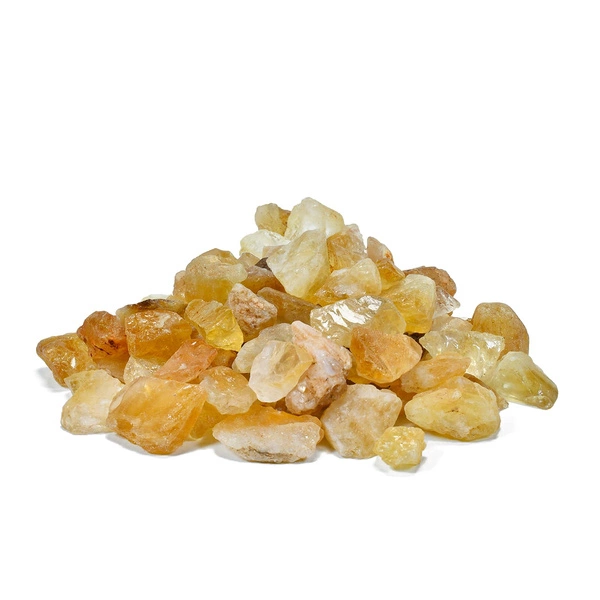
Citrine (raw stone) 50g

Set of natural stones and crystals - esotericism, yoga, meditation