Green serpentine – stone of nature, balance and spiritual protection
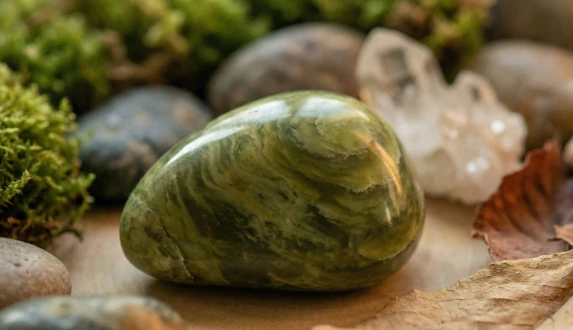
The green serpentine stone has fascinated people for centuries – those seeking inner balance, energetic protection and a closer connection with nature. It intrigues both geologists and those exploring its mystical essence, uniting science and spirituality in near‑perfect harmony. In the world of minerals, serpentines are like green bridges between matter and energy – between what is tangible and what is subtle.
In recent years, serpentine has gained popularity as a stone of peace and purification – its gentle vibration harmonises the environment, while its natural beauty makes it a popular choice for serpentine jewellery, protective amulets and decorative raw crystals. In esoteric practice, the green serpentine crystal is believed to open one to the energy of the Earth, helping to ground emotions and support the process of inner calming.
In today’s article we’ll look more closely at this extraordinary serpentine gemstone: its geological origins, composition, appearance and mystical meaning – and we’ll also share simple ideas on how you can use serpentine stone in your everyday spiritual routine.
Summary:
- What is green serpentine?
- Serpentine – physical properties
- Green serpentine – energetic and magical properties
- Green serpentine in jewellery and decoration
- How to choose green serpentine
What is green serpentine?
As the name suggests, the green serpentine is a mineral in the colours of nature – shades of green, olive and sometimes yellowish. Its name derives from the Latin word serpens, meaning “snake”, referring to the distinctive pattern visible on the surface of the stone resembling serpent scales. Not surprisingly, in many ancient cultures the serpentine stone was seen as a symbol of the Earth’s wisdom, renewal and protection from harm.
This is a metamorphic rock formed by the transformation of ultramafic rocks – mainly peridotites and dunites. The process, known as serpentinisation, causes the original minerals (such as olivine) to convert into serpentine – a magnesium‑rich mineral that gives the material its silky sheen and deep natural hue of green. That natural effect is what makes serpentine gemstones so appealing both to mineral collectors and to those interested in their spiritual power.
💡 Did you know? Serpentine is not a single stone but a whole group of related minerals belonging to the serpentine family. Depending on the impurities and place of origin, serpentine stones may vary in colour – from light green to almost black.
Green serpentine – origin and mineral composition
From a geological viewpoint, serpentines are among the oldest rocks on our planet. They formed deep beneath the Earth’s surface, under high temperature and pressure. When peridotite rocks came into contact with water, transformation occurred – and serpentine stone was born. The principal component is serpentine itself – a mineral rich in magnesium and iron, responsible for both the colour and structure of the serpentine stone.
In nature, serpentine crystals occur all over the world – from Southern Europe to North America and Asia. Deposits of this mineral appear mostly in regions rich in magnesium rock formations, which support the serpentinising process. Everywhere it is found, serpentine is appreciated for the depth of its colour, its silky lustre and its natural, soothing energy.
Under the microscope, a serpentine gemstone reveals an inner world of fine fibres and scales gently reflecting the light in a subtle, almost hypnotic way. Its surface resembles green velvet or the ripple of soft water. This shimmering quality is what makes serpentine jewellery so distinctive – each piece carries a unique, organic pattern created by nature itself.
Serpentine stone – appearance and distinctive visual features
The serpentine stone stands out with its rich palette of green tones – from pale lime green to deep, muted shades with touches of grey or brown. Irregular patterns often appear, reminiscent of delicate veins or mottled markings, shaping its “serpentine” or “snake‑like” nature – dynamic and slightly mystical.
To the touch, serpentine is smooth, sometimes slightly silky, with a satin or wax‑like sheen. Raw green serpentine stones have a more matte structure that harmonises beautifully with natural interiors – for example, as a decorative piece bringing protective energy. Polished serpentine gemstones, on the other hand, are used to create serpentine jewellery – amulets, necklaces, bracelets and earrings – each item carrying its own earthy elegance.
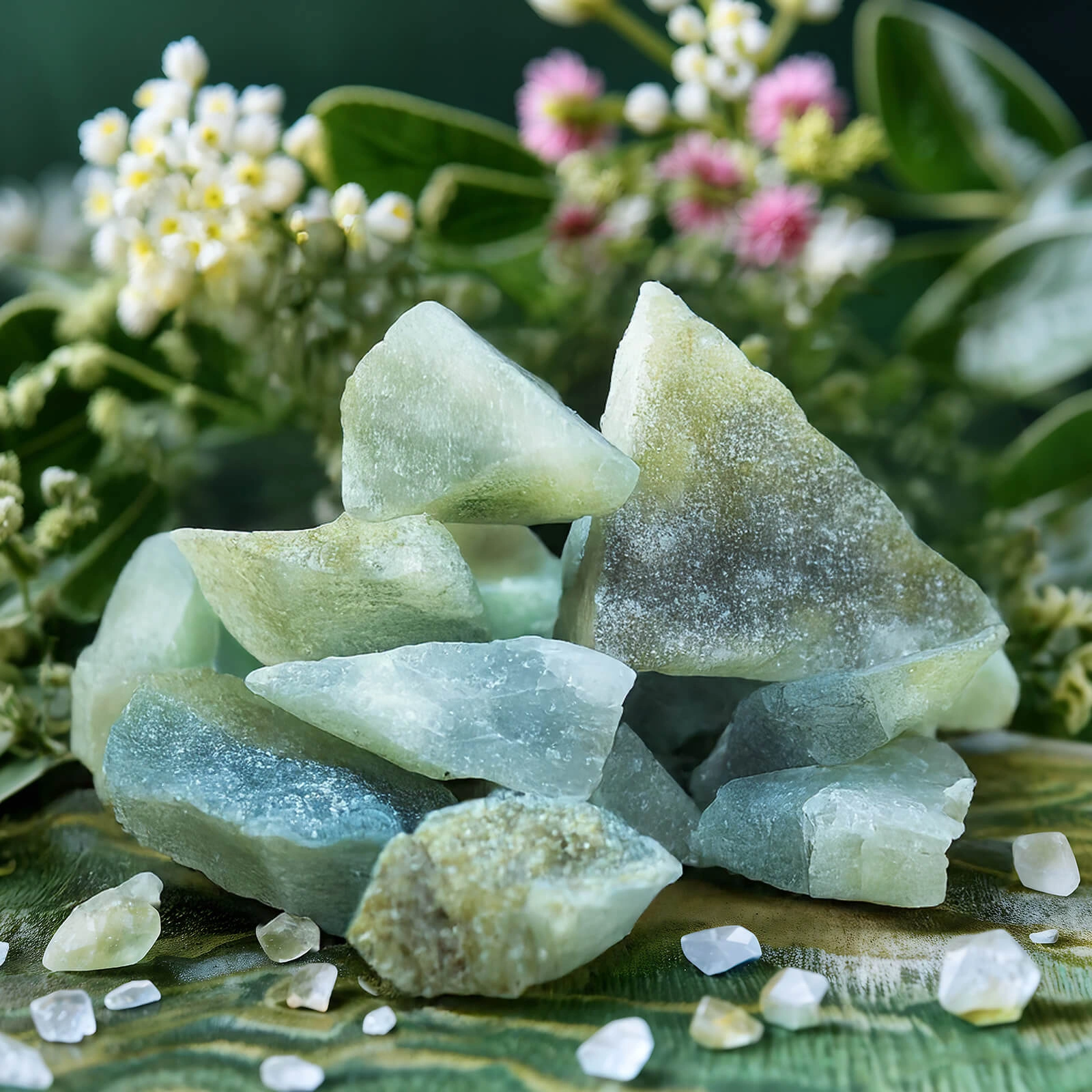
📌 Serpentine – key facts at a glance:
- ✔ Colour: Various shades of green, olive, sometimes with grey or brownish tones.
- ✔ Origin: Europe, Asia, North America.
- ✔ Lustre: From matte to silky.
- ✔ Uses: Serpentine jewellery, amulets, energetic tools and decorative items.
Each piece of serpentine carries within it the Earth’s ancient story – shaped for thousands of years by fire, water and time. It’s no wonder this mineral has long attracted both geologists and those drawn to its spiritual depth. Its structure seems to embody natural order and peace – and that’s just the beginning of the many fascinating secrets the serpentine crystal holds.
💡 Interesting fact: Because of their similar colours and patterns, serpentine stones are sometimes mistaken for jadeite or nephrite. However, they are slightly softer and possess a gentler sheen, which makes the material particularly friendly to work with in jewellery making.
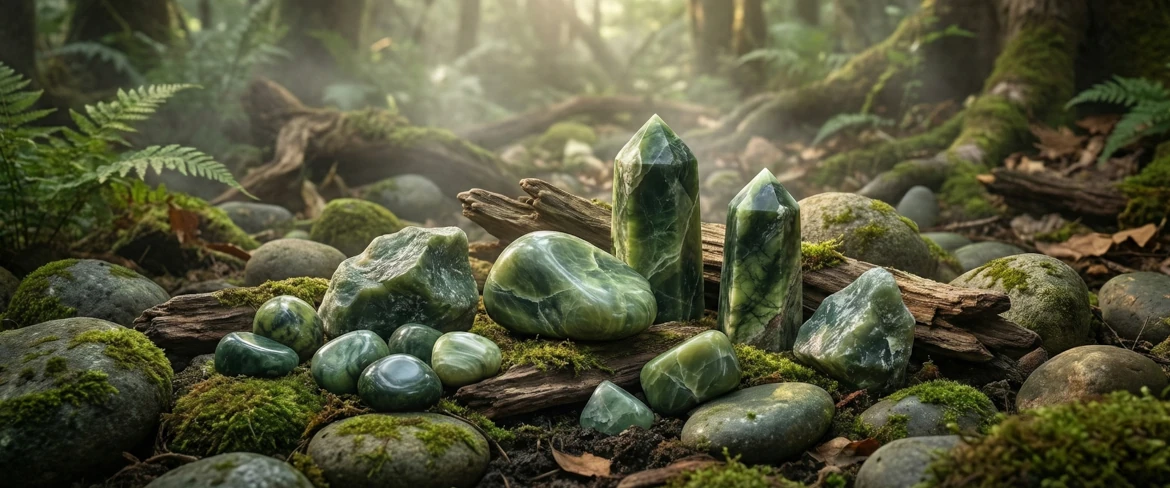
Serpentine – physical properties
Serpentine combines subtle beauty with remarkable resilience. Serpentine stone properties are unique – ranging from physical to energetic – which is why it has been valued for centuries in jewellery, sculpture and architectural arts. Although relatively soft – its hardness on the Mohs scale is between 2.5 and 5 – serpentine maintains good cohesion and density (about 2.5–2.6 g/cm³). This balance between durability and workability makes the stone ideal for carving, polishing and fine detail work.
Serpentine properties also include moderate resistance to temperature and chemical factors, which has made it a practical decorative material throughout history. In ancient times it was used for ornamental panels, columns and altars; today, artists use the green serpentine stone for sculpting objects of symbolic and spiritual power. Jewellers value its delicate lustre, varied colour tones and pleasant, silky surface. Because of these features, the green serpentine crystal is widely used in amulets, artistic serpentine jewellery and decorative objects with energetic significance.
Although not as hard as quartz or granite, the serpentine stone stands out for its exceptional aesthetic durability – its natural patterns and colours remain beautiful for years. It’s a mineral that demonstrates how true strength can lie in subtlety: it combines material permanence with a soft, earthy glow, attracting both lovers of nature and those seeking harmony between the physical and the energetic realms of the Earth.
Green serpentine – energetic and magical properties
Serpentine is a stone where spirituality meets nature. In esoteric tradition it is considered a purifying mineral – cleansing both environment and human aura. Its energy is grounding: it helps to regain inner balance, calm emotions and synchronise with the rhythm of the Earth. For that reason, the green serpentine stone properties are often described as those of a stone of breath and peace – restoring harmony between body, mind and spirit while supporting reflection and stillness.
The vibration of serpentine crystal is gentle yet profound – it brings a sense of safety and protective energy. According to spiritual practitioners, the green serpentine can neutralise negative influences – both emotional and environmental. It is a stone that supports meditation, heightens sensitivity to subtle energies and fosters openness to the wisdom of nature.
💡 Did you know? In many spiritual paths the serpentine stone is associated with transformation – shedding the “old skin” just like a snake. It symbolises transition, renewal and rebirth.
Serpentine – symbolism and meaning across the world
The history of the serpentine gemstone reaches deep into antiquity. In Mesopotamian and Egyptian civilisations it was used to craft protective figurines and amulets that warded off evil and brought peace to the soul. In Asia, green serpentine was treasured as a stone of balance and wisdom – a symbol of harmony between humans and nature. Its colour was linked with renewal, hope and the force of life itself.
In European tradition, the stone appeared as a “guardian rock” decorating altars and sacred vessels, believed to absorb negative energies and bring relief during times of disturbance. In India and South America it was used in purifying rituals – placing small pieces of the serpentine crystal in water was thought to fill the liquid with protective power.
Over the centuries the stone has retained its spiritual status – from decorative mineral to symbolic talisman. Today, people who seek healing and renewal appreciate the serpentine stone properties for helping them transition gracefully through change, release tension and open to new experiences.
Green serpentine and human energy
The energy of serpentine harmonises the human energy field, acting especially upon the Heart Chakra. It’s the centre of emotion, love and empathy – and the stone’s soothing vibration helps embrace compassion and soften emotional tension. Regular contact with a green serpentine gemstone is said to encourage inner transformation and forgiveness – towards oneself and others.
It also acts stabilisingly, quieting mental overactivity, reducing fear and dispelling chaotic energy so common in fast‑paced daily life. Those who work with the serpentine crystal often compare its energy to the steady pulse of nature – rhythmic, soothing and gentle. It’s a stone for those seeking grounding, reconnection with the body and serenity amid everyday challenges.
📌 In short: green serpentine – key properties
A serpentine stone that supports emotional balance, reduces stress and fatigue, enhances meditation and opens the heart to positive emotions and deep peace within.
Using serpentine in meditation and spiritual practice
In spiritual practice, serpentine plays a special role – it helps immerse the mind in silence and focus attention on the inner rhythm. During meditation, it may be held in the hands, worn against the skin, or placed close to the heart – to promote relaxation and deeper breathing while heightening self‑awareness. In mindfulness sessions, the green serpentine properties are used to purify the aura and restore energy flow throughout the body.
The stone also enhances living spaces: set beside plants, candles or other crystals with complementary energy (such as rose quartz or aventurine), it creates a calming, earth‑centred atmosphere. In protective rituals, serpentine crystals act as natural amulets, forming a gentle, green shield around their keeper. An ideal companion for introspection and spiritual focus.
🌿 How to work with the energy of serpentine
- ✔ Hold the serpentine stone during meditation to support grounding and calm.
- ✔ Wear it as a personal amulet or serpentine jewellery to enhance energetic protection.
- ✔ Place a green serpentine crystal in a relaxation area – by your bed or meditation corner – to soothe the space.
- ✔ Combine it with stones that resonate with the Heart Chakra – rose quartz or green calcite – for loving, gentle energy flows.
Green serpentine in jewellery and decoration
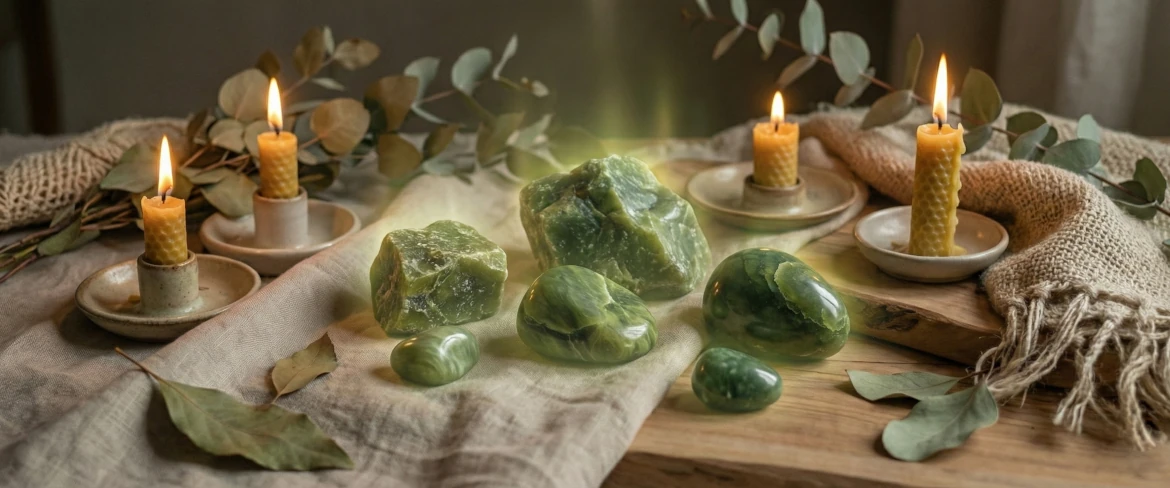
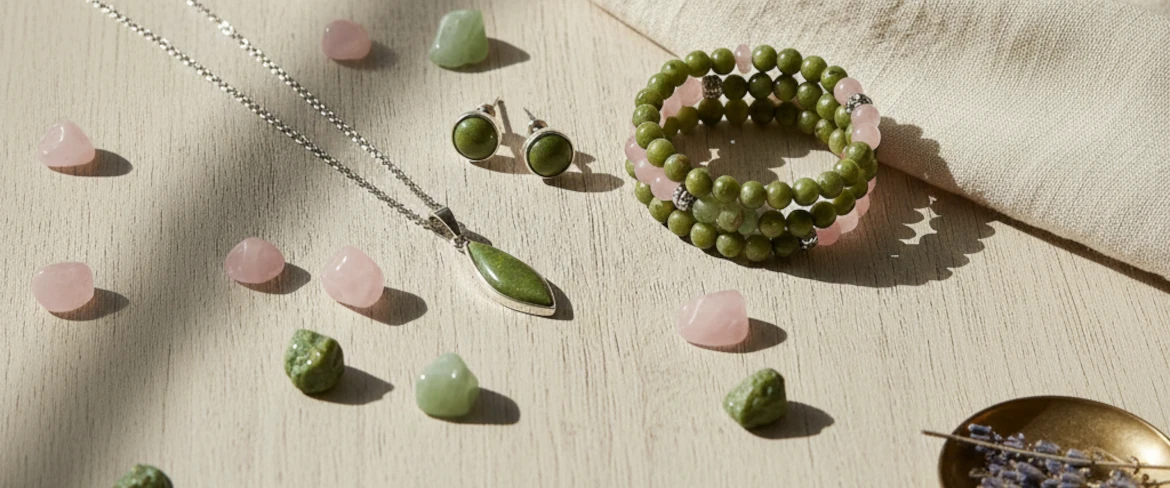
Serpentine combines the charm of nature with subtle elegance. In jewellery making it is prized for its deep, soothing colour and natural lustre, which pair beautifully with precious metals such as silver and gold. When polished, it forms striking necklaces, bracelets and rings, radiating the calm and strength of the Earth. Its smooth texture makes serpentine jewellery a joy to wear – pleasantly cool, softly satin and infused with natural energy.
In interior décor, green serpentine crystals serve as exquisite decorative materials. Raw pieces make beautiful natural additions – especially in spaces where we want to create harmony, tranquillity and connection with the natural world. Place a few on a desk, in the bedroom or meditation corner to strengthen the feeling of closeness to nature. Discover raw serpentine stones and other natural crystals available in our shop and see how easily this mineral can transform the energy of any interior.
Why is Serpentine the Trendy Stone of Nature?
In today’s world people are returning to nature – in fashion as well as in lifestyle. The green serpentine stone fits this movement perfectly. It symbolises a return to balance, health and harmony with the Earth. In modern design, its calming tones represent authenticity and serenity – matching minimalist looks just as well as earth‑inspired boho designs.
Its continued rise in popularity also comes from its unique serpentine properties: many choose this stone not only for its beauty but for its grounding and protective energy. It appeals to those who value simplicity, naturalness and the quiet strength of spirit – qualities that feel especially precious in our busy modern lives.
If natural gemstones fascinate you, explore our other blog articles on stones of similar resonance, such as Tiger’s Eye, Sodalite, pink love‑infused gemstones and Aventurine.
How to care for serpentine jewellery
To keep your serpentine jewellery shining with its unique light and energy, follow a few simple care steps. Unlike harder gemstones, serpentine is softer and more sensitive – avoid exposing it to direct sunlight, moisture or chemical agents. Clean it gently with a soft, slightly damp cloth; avoid any abrasives or polishing pastes.
Energetically, the green serpentine properties are cleansed through simple rituals. You can:
- ✔️ Place your jewellery or raw pieces overnight on cleansing stones like clear quartz or selenite.
- ✔️ Gently smudge them with the smoke of white sage or palo santo.
- ✔️ Leave them briefly under moonlight to restore their natural rhythmic energy.
Serpentine is a stone highly responsive to intention. Hold it briefly in your hands while focusing on positive thoughts and allow your energy to blend with its own. In doing so, the stone becomes more than embellishment – it becomes a personal amulet of peace and balance.
How to choose green serpentine
When choosing your serpentine gemstone, pay attention not only to appearance but also to the energy you feel when holding it. Every stone has its own personality; the instant sense of warmth, peace or attraction suggests you’ve found the piece that resonates with your vibration.
From a physical point of view, look for depth of colour and surface structure. Green serpentine stones with consistent, deep green tones and gentle silky lustre are most valued. Ensure the surface has not been artificially coloured or varnished. Choose stones sourced from trustworthy suppliers to guarantee authentic, natural origin.
For spiritual work and meditation, opt for raw serpentine crystals – they retain their original, untamed power of nature. For daily wear, polished serpentine jewellery works beautifully, maintaining direct skin contact. Your choice depends on intention – whether you seek harmony, protection or deep calm.
Remember: the green serpentine stone is more than a decoration – it is a spiritual ally, a tangible symbol of balance and tranquillity. Choose it with the heart, and it will become a trustworthy companion on your path towards inner peace and grounded awareness.
May serpentine remind you of the healing power of peace that nature offers – open your heart and feel its harmony in daily life.
FAQ – Frequently Asked Questions about Green Serpentine
1. Where does the serpentine stone come from?
Serpentine occurs in many parts of the world – from Southern Europe to North America and Asia. It forms through the transformation of ultramafic rocks rich in magnesium deep beneath the Earth’s surface. These processes create the stone’s distinctive green colour and fine‑fibrous structure. Its geological origin is why the serpentine stone properties are both aesthetic and energetic – a fusion of the Earth’s strength and tranquillity.
2. Is serpentine a valuable stone?
The serpentine gemstone is not considered extremely expensive – its price depends on quality, size and craftsmanship. Raw serpentine crystals are affordable, while carefully polished pieces or artisanal serpentine jewellery can be more valuable. It’s a stone that combines natural beauty with accessibility, making it popular among both collectors and healing‑stone enthusiasts.
3. How should I care for serpentine jewellery and raw stones?
Green serpentine is a delicate stone that benefits from gentle care. Avoid prolonged exposure to strong sunlight, water or chemicals. Clean it with a soft, dry or slightly damp cloth. To restore and refresh the green serpentine properties, cleanse its energy by passing it through the smoke of white sage or palo santo, or leave it under the moonlight overnight. These methods return the stone to its pure, harmonious vibration.
4. How does serpentine work energetically?
The green serpentine crystal is known for its grounding, protective and purifying energy. In spiritual practice it balances emotions and supports the Heart Chakra. It soothes the mind, reduces stress and encourages a deep connection between body and soul. Regular connection with the stone is believed to increase inner security and bring about a state of inner peace and renewed vitality.
Recommended
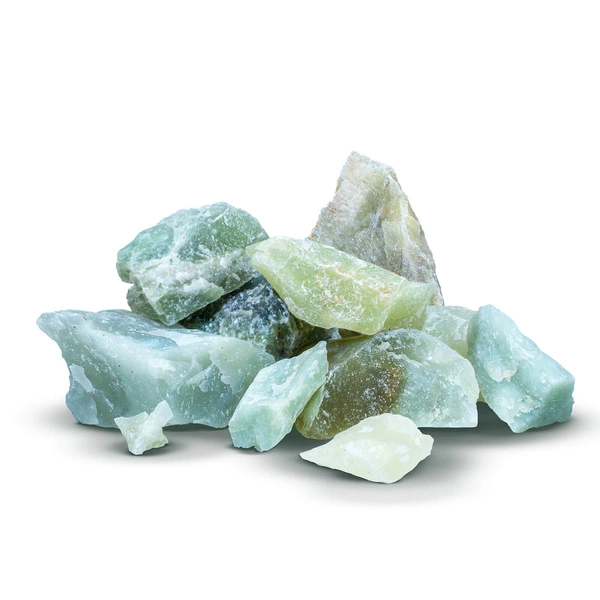
Serpentinite (raw stone) 50g

Serpentinite (raw stone) 1 pc.
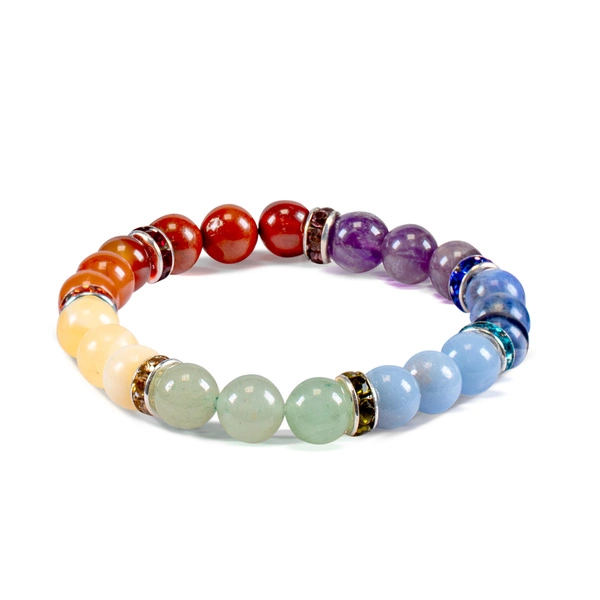
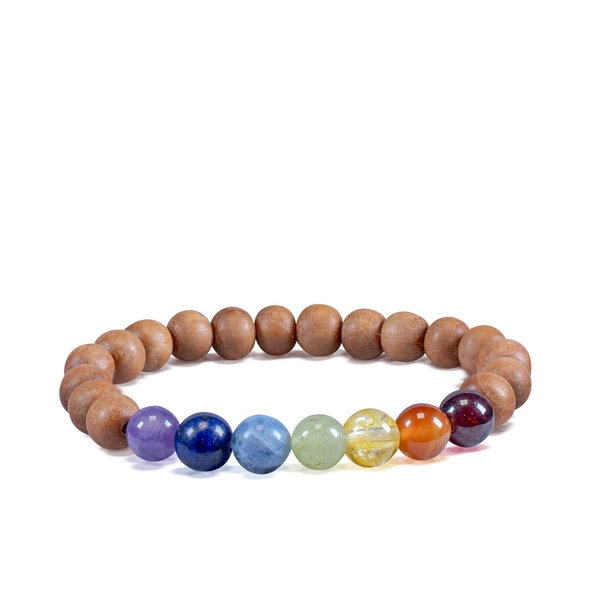
Bracelet "Seven Chakras" – stones